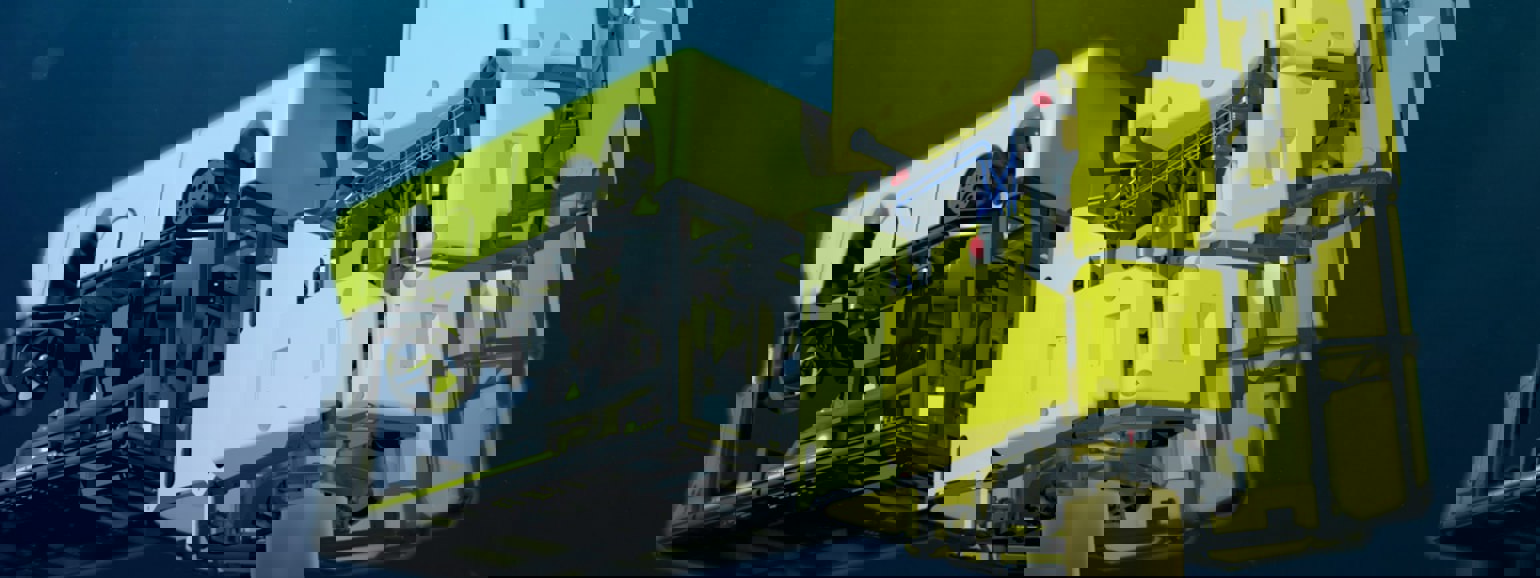
Fiber Optic Course for ROV Pilot Technician
Training location: Port Harcourt, Nigeria
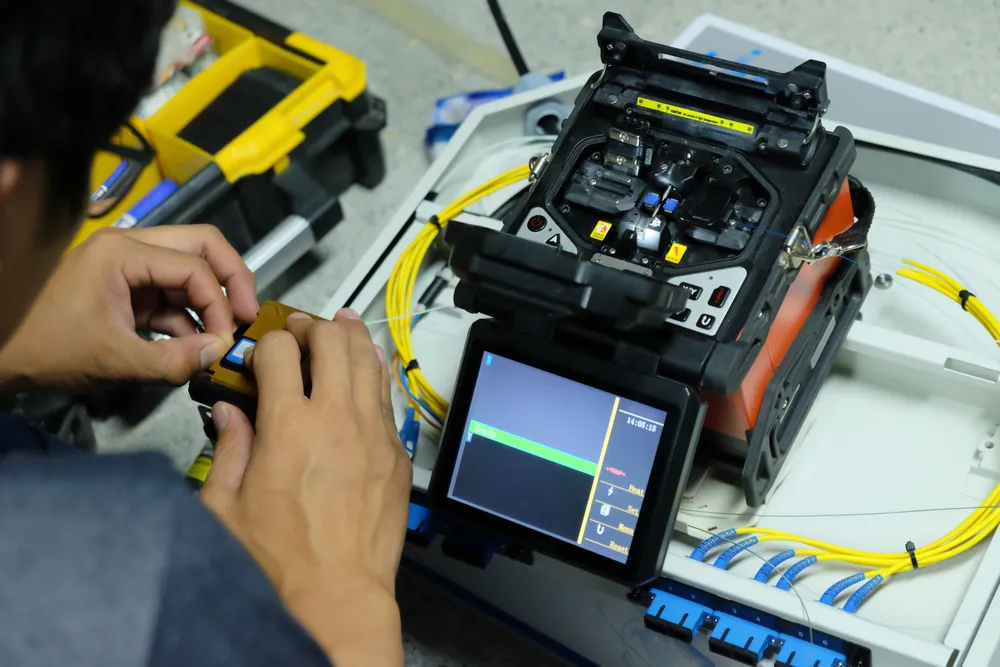
Master fiber optic theory, cable handling, termination, loss testing and troubleshooting — with a focused ROV case study that puts your skills in a subsea context. Hands-on labs, real tools, industry best practices, and a competency certificate on completion.
Request SyllableWho this course is for
- ROV pilots & technicians, subsea engineers, offshore technicians
- Telecom/OT technicians transitioning to subsea projects
- Field service engineers who install, test or troubleshoot fiber optic links in harsh environments
- Teams preparing for offshore campaigns that involve fiber-optic sensors, tether communications or optical payloads
Course highlights
- Duration: 1 week
- Format: Classroom theory + hands-on labs + ROV case study workshop
- Max class size: 12 per instructor (to ensure plenty of hands-on time)
- Outcome: Practical competence in fusion splicing, mechanical termination, OTDR and power-meter testing, and fiber handling for ROVs and subsea systems
- Certificate: Competency certificate
Learning outcomes
By the end of the course participants will be able to:
- Explain fiber optic fundamentals: modal structure, attenuation, dispersion and connector types.
- Select appropriate fiber types and connectors for subsea/ROV applications.
- Prepare, strip and clean fiber safely and to industry standards.
- Perform fusion splices and mechanical terminations with consistent low loss.
- Use OTDR and light source/power meter to characterize and troubleshoot fiber links.
- Implement best practices for handling, routing and protecting fiber on ROV tethers and tooling.
- Apply learned skills in a realistic ROV case study — diagnosing and repairing a tether communication fault under time constraints.
Request Syllable