POLATRAK DEEP C METER 3000 AD ROV CATHODIC-PROTECTION SURVEY SYSTEMS
Cathodic Protection System
View productROV Introductory Training Course (R002 and R025)
Training location: Port Harcourt, Nigeria
The ROV Introductory Course equips participants with essential knowledge of Remotely Operated Vehicles and the offshore environment. Whether you’re preparing for advanced ROV Pilot Technician training or simply exploring subsea engineering, this course provides the technical foundation you need to succeed.
Through classroom modules, hands-on demonstrations, and simulator practice, trainees will understand how ROVs operate, how they are deployed offshore, and what is expected from an offshore ROV technician.
Request SyllableWho this course is for
- Aspiring ROV Pilot Technicians
- Young graduates interested in offshore careers
- Technical professionals transitioning into subsea engineering
- Marine, mechanical, electrical, and engineering students
- Anyone interested in underwater robotics and offshore technology
No prior experience is required.
ROV Systems for the Training
- Sub-Atlantic Mohawk ROV
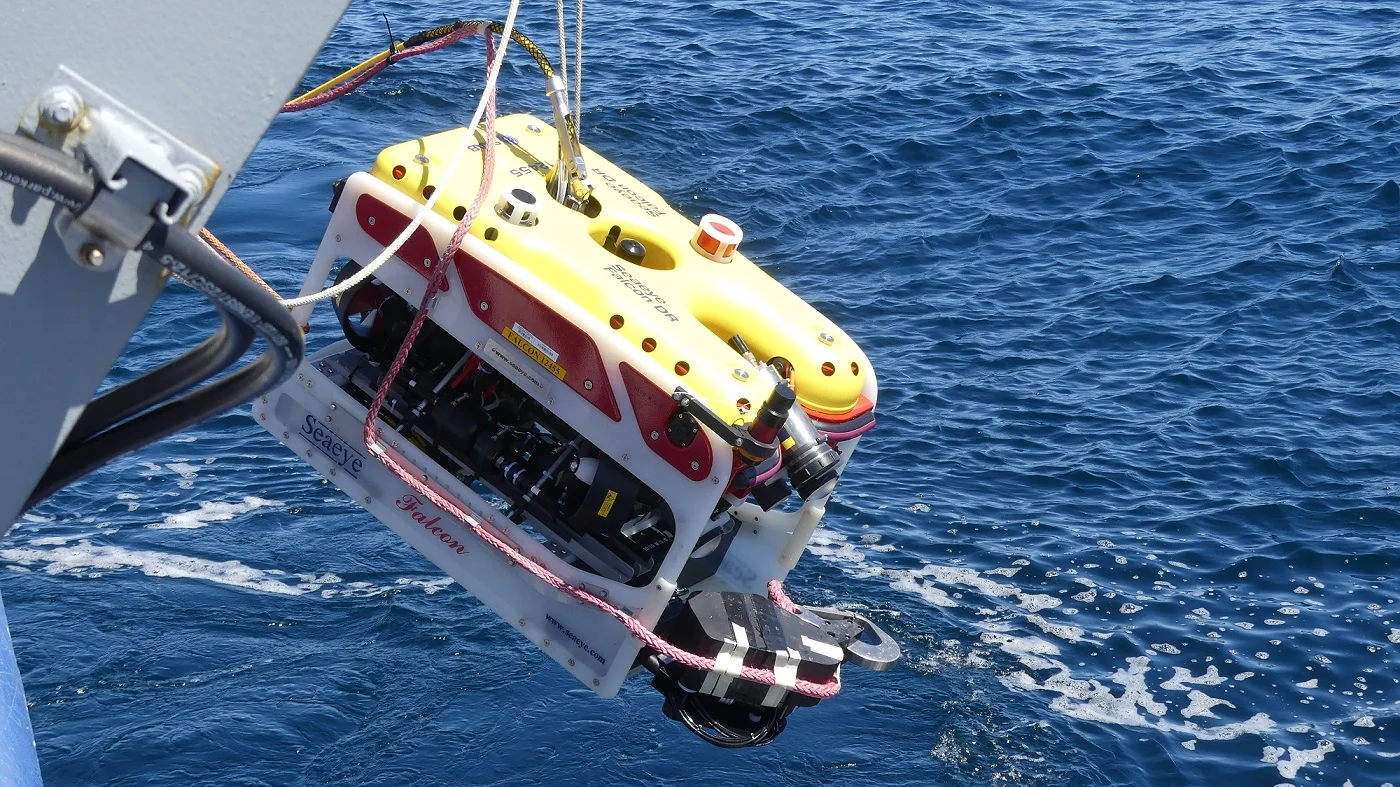
- Seaeye Falcon DR ROV
- Deep Trekker Revolution ROV
- Videoray PRO5 ROV
- Videoray Defender ROV
Course highlights
- Duration: 4 weeks
- Format: Classroom theory + hands-on labs
- Max class size: 12 per instructor (to ensure plenty of hands-on time)
- To obtain ROV Pilot Technicican Grade II Cert, Fiber Optic Technician Cert, High Voltage Cert, Bosiet, OGUK Medical, Yellow Fever
Learning outcomes
By the end of this course you will be able to:
ROV Fundamentals & Subsea Systems
- Understand ROV types, components, and subsea applications
- Identify ROV systems: thrusters, cameras, lighting, skid systems, sensors
- Understand Launch & Recovery Systems (A-Frame, Crane, TMS)
- Gain basic hydraulics training related to manipulators, LARS, and crane operations
Fiber Optics & Electrical Systems
- Understand how fiber optics transmit data in ROVs
- Learn types of fibers used in ROV umbilicals and tethers
- Obtain practical fiber optics knowledge, including inspection, cleaning, and handling
- Understand OTDR and VFL tools for fiber diagnostics
- Gain awareness of high-voltage systems used in ROV operations and safety precautions
Tether Splicing & Termination
- Learn tether construction: copper, fiber, strength members
- Perform basic tether termination and connector installation
- Learn stripping, cleaning, and resealing techniques
- Understand proper strain relief and subsea waterproofing
- Recognize common tether faults and how to repair them
ROV Maintenance and Troubleshooting
- Understand preventive and corrective maintenance programs
- Perform pre-dive and post-dive system Inspection
- Maintain thrusters, cameras, light, hydraulics power units, and control systems
- Inspect and service connectors, penetrators and pressure housing
- Perform fault finding using electrical drawings and system schematics
- Learn subsea sensor calibration and function testing
- Prepare maintenance report, technical report and equipment logs
ROV Tooling Integration
- Understand ROV Tooling Interfaces and integration requirement
- Install and confiqure hydraulic and electric tooling packages
- Integrate and test CP probe and NDT inspection tooling, Survey sensors and payload, manipulators
ROV Operation & Piloting
- Operate basic ROV controls
- Perform depth, heading, and positioning maneuvers
- Practice navigation on an ROV simulator
- Complete simple underwater tasks like station-keeping
- Pilot a training-class ROV in controlled conditions
Offshore Safety & Work Environment
- Understand offshore safety standards
- Familiarity with BOSIET/HUET and offshore requirements
- Learn workflow, hierarchy, and daily operations offshore
- Understand hazard identification and risk control
Request Syllable